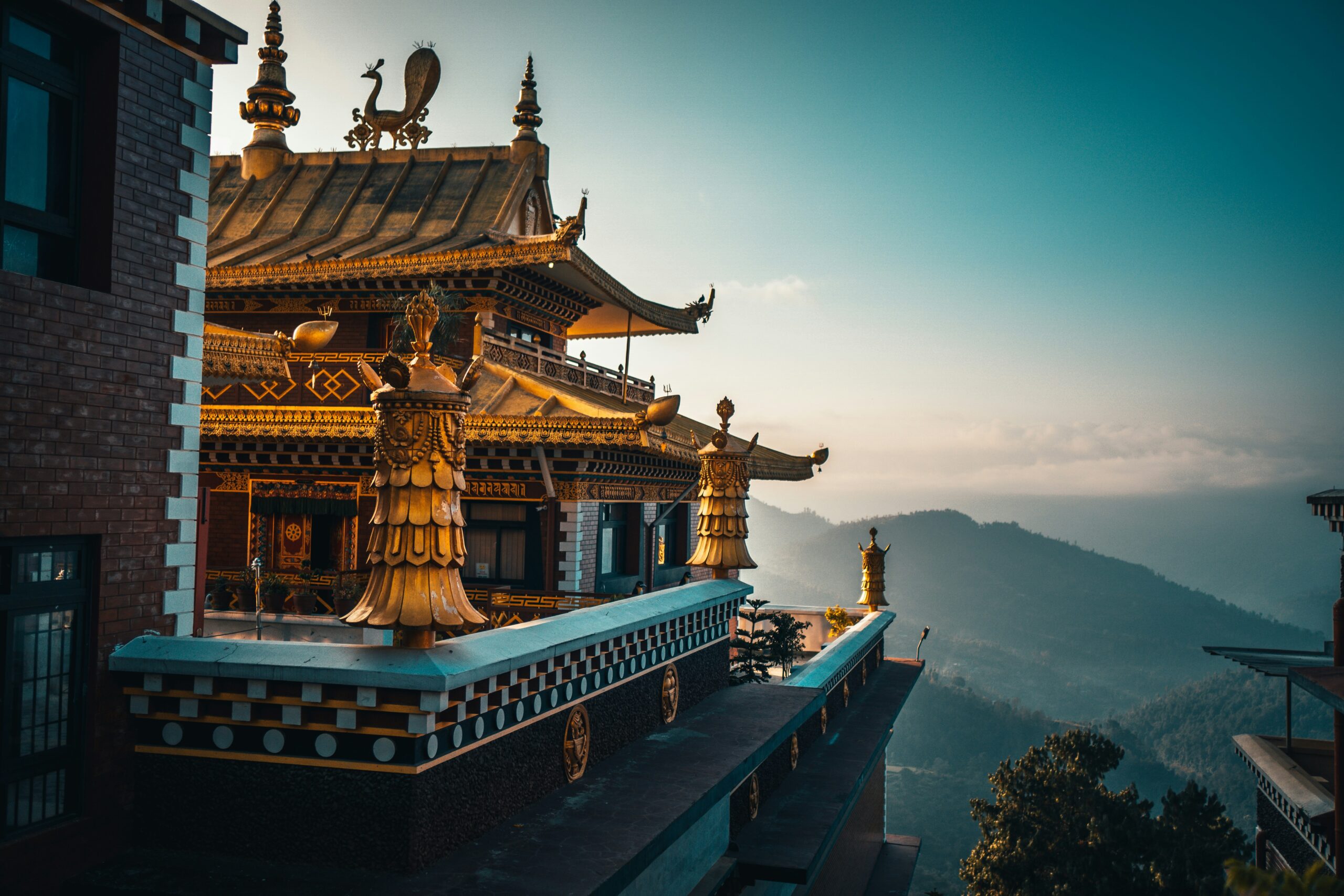
In today’s fast-paced world, travel is often treated like a checklist—see the sights, take the photos, move on. Slow travel, however, is changing the way people explore the world. By focusing on immersion, meaningful experiences, and sustainable practices, slow travel offers a richer, more mindful way to experience a destination. Here’s why slow travel is gaining popularity and why it’s considered the future of tourism.
1. What Is Slow Travel?
- Emphasizes quality over quantity in travel experiences
- Encourages spending more time in one location instead of rushing between destinations
- Focuses on connecting with local culture, food, people, and environment
Tip: Slow travel isn’t about moving slowly—it’s about experiencing deeply.
2. Benefits of Slow Travel
a. Deeper Cultural Immersion
- Stay longer in one place to understand local customs and daily life
- Participate in community events, festivals, or workshops
- Learn the language basics and interact with locals
b. Sustainable and Eco-Friendly
- Reduces carbon footprint by minimizing frequent long-distance travel
- Supports local businesses rather than mass-tourism industries
- Encourages responsible consumption and respect for the environment
c. Better Mental Well-Being
- Reduces travel-related stress and exhaustion
- Allows travelers to enjoy experiences mindfully and at their own pace
- Encourages reflection and personal growth
3. How to Practice Slow Travel
a. Choose Fewer Destinations
- Focus on one or two cities or regions per trip instead of trying to see everything
- Explore neighborhoods thoroughly rather than rushing from landmark to landmark
b. Stay Longer in One Place
- Opt for weekly or monthly rentals rather than short hotel stays
- Living like a local allows you to shop, cook, and socialize authentically
c. Engage With Local Communities
- Take part in local events, classes, or volunteer programs
- Support local markets, artisans, and small businesses
- Ask locals for recommendations rather than relying solely on tourist guides
d. Travel Mindfully
- Walk or bike instead of using taxis when possible
- Limit technology use to be present in the moment
- Practice patience and openness when navigating unfamiliar situations
4. Slow Travel and Sustainable Tourism
- Helps reduce over-tourism in popular destinations
- Promotes eco-friendly lodging, dining, and activities
- Encourages responsible interactions with wildlife and nature
Tip: Choose accommodations with green certifications or participate in eco-tourism initiatives.
5. Economic Benefits of Slow Travel
- Supports local economies more effectively than mass tourism
- Travelers spend on local food, services, and experiences rather than multinational chains
- Encourages small-scale tourism operators and authentic cultural enterprises
6. How Slow Travel Enhances Personal Growth
- Provides time for introspection and self-discovery
- Encourages learning new skills, like cooking, crafting, or language
- Fosters empathy and understanding of diverse lifestyles
Example: A month-long stay in a rural village or small town can teach lessons about community, sustainability, and simplicity that a short visit cannot.
7. Tips for Getting Started With Slow Travel
- Plan Longer Stays: Choose fewer destinations but spend more time in each.
- Opt for Alternative Accommodation: Use homestays, guesthouses, or long-term rentals.
- Use Public Transport: Walk, bike, or use local transit to reduce your impact.
- Connect With Locals: Attend workshops, join clubs, or volunteer for community projects.
- Embrace Flexibility: Slow travel is about discovery, not schedules—allow your itinerary to evolve.
8. Final Thoughts
Slow travel is not just a trend—it’s a shift in how people experience the world. By prioritizing depth over speed, travelers gain richer cultural experiences, reduce their environmental impact, and foster personal growth.
As travelers increasingly seek meaningful, sustainable, and authentic experiences, slow travel is becoming the future of tourism. It reminds us that travel is not just about moving from place to place but about connecting, learning, and truly living in the moments we explore.

