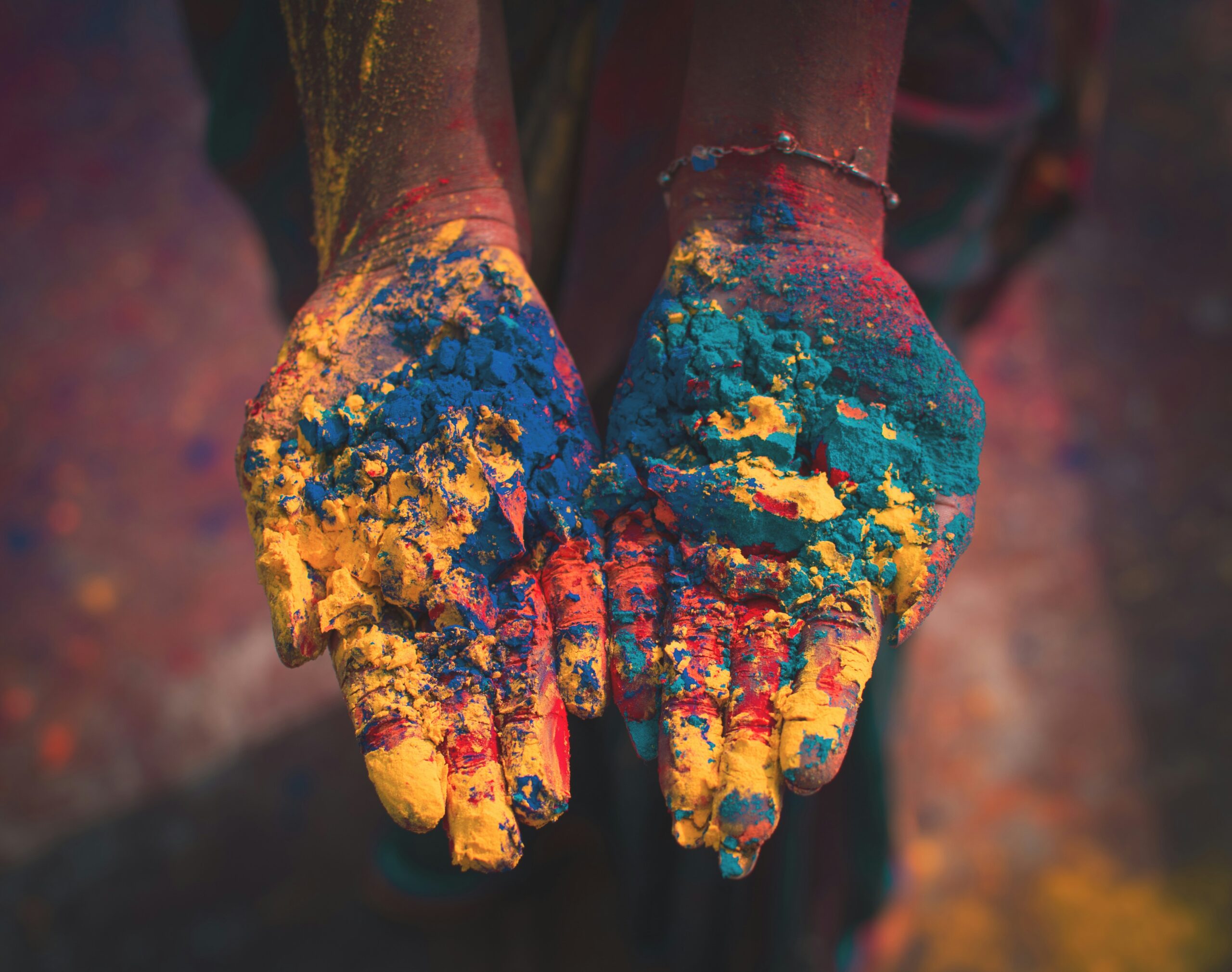
Travel is about more than just checking off landmarks and taking photos. To truly connect with a destination, you need to immerse yourself in its culture, traditions, and daily life. Exploring beyond tourist attractions allows for authentic experiences, meaningful interactions, and memories that last a lifetime. Here’s a guide to experiencing local cultures while traveling.
1. Seek Authentic Experiences
Why It Matters
Tourist spots often show a curated version of culture. Authentic experiences provide deeper insight into local life.
Ways to Engage
- Attend local festivals or ceremonies
- Visit community markets and craft fairs
- Take part in traditional cooking or art classes
Tip: Ask locals or boutique tour operators for recommendations rather than relying solely on guidebooks.
2. Stay in Local Accommodations
- Homestays / Guesthouses: Interact directly with local families
- Airbnb / Vacation Rentals: Live like a local in residential neighborhoods
- Boutique Hotels: Often have local themes and staff who can offer insider tips
Tip: Staying outside tourist zones helps you experience daily life, local shops, and neighborhoods.
3. Try Local Food Beyond Restaurants
- Visit street food stalls, local cafés, and markets
- Take cooking classes to learn traditional recipes
- Participate in food tours led by locals
Tip: Ask residents for their favorite spots—these often offer the most authentic flavors.
4. Learn the Language (Even a Little)
- Basic phrases like greetings, thank you, and directions go a long way
- Helps build rapport and shows respect for the culture
- Apps like Duolingo or Google Translate can assist in real-time conversations
Tip: Locals often respond warmly to travelers who make the effort to speak even a few words of their language.
5. Participate in Local Traditions and Customs
- Attend cultural workshops, dance classes, or music sessions
- Observe and respect dress codes, gestures, and etiquette
- Take part in community projects or volunteer activities
Tip: Research customs before traveling to avoid accidental disrespect.
6. Explore Off-the-Beaten-Path Destinations
- Small towns, villages, and rural areas often preserve traditional ways of life
- Nature-based cultural experiences like farm stays or fishing trips
- Less crowded destinations allow for more genuine interactions
Tip: Use local guides or apps to discover hidden gems beyond popular tourist areas.
7. Use Public Transport and Walk
- Ride buses, trams, or trains used by locals
- Walking through neighborhoods allows you to observe daily routines
- Engaging with locals in shared spaces fosters cultural understanding
Tip: Observe local etiquette for transportation and public spaces to avoid standing out negatively.
8. Attend Cultural Performances and Workshops
- Traditional music, theater, dance, or storytelling events
- Handicraft, pottery, or weaving workshops
- Wine, tea, or coffee tasting experiences unique to the region
Tip: Book through local cultural centers or organizations rather than tourist-only companies.
9. Build Meaningful Connections
- Chat with shopkeepers, artisans, or neighbors
- Join community activities or classes
- Listen to local stories, history, and perspectives
Tip: Approach interactions with curiosity and respect, avoiding judgment or stereotypes.
10. Respect and Preserve Local Culture
- Avoid taking photos without permission, especially in sacred or private spaces
- Support local businesses and artisans
- Minimize environmental impact and leave places as you found them
Tip: Travel ethically to ensure that your presence benefits the local community rather than exploiting it.
Final Thoughts
Exploring local cultures requires curiosity, humility, and a willingness to step out of your comfort zone. By immersing yourself in authentic experiences, engaging with residents, and respecting traditions, you’ll gain a richer understanding of the places you visit.
Travel beyond tourist attractions not only creates lasting memories but also fosters meaningful connections and a deeper appreciation for the world’s diverse cultures.

